Ulcinj Driving Guides
Road routes, local secrets, and quiet corners of the southern Montenegrin coast, from people who drive these roads daily.
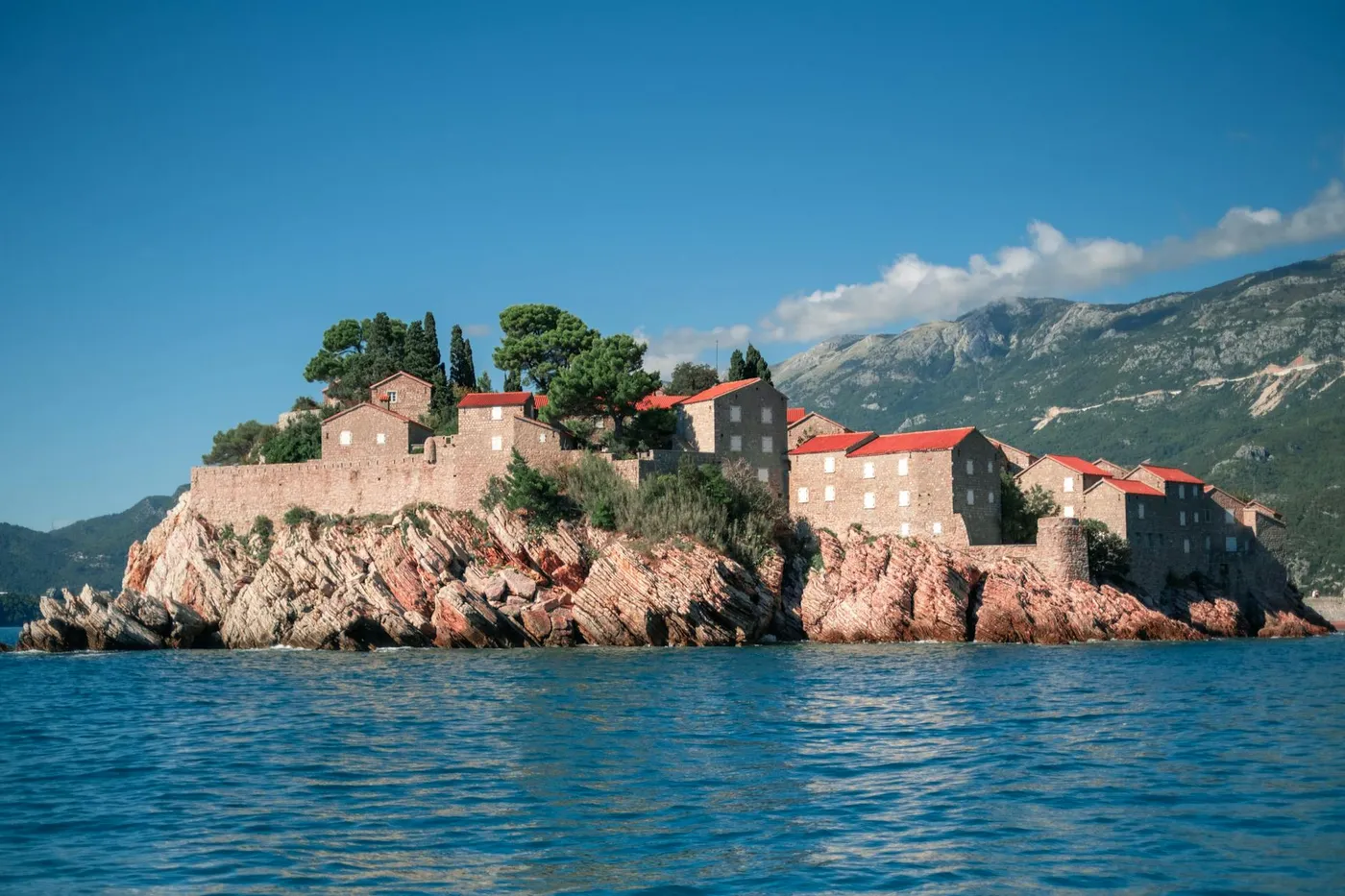
Ulcinj Old Town, The Pirate Fortress of the Adriatic
A medieval citadel on a rocky promontory that spent the 17th century as the Adriatic's most notorious pirate base, selling a young Cervantes into slavery along the way.
Read guide →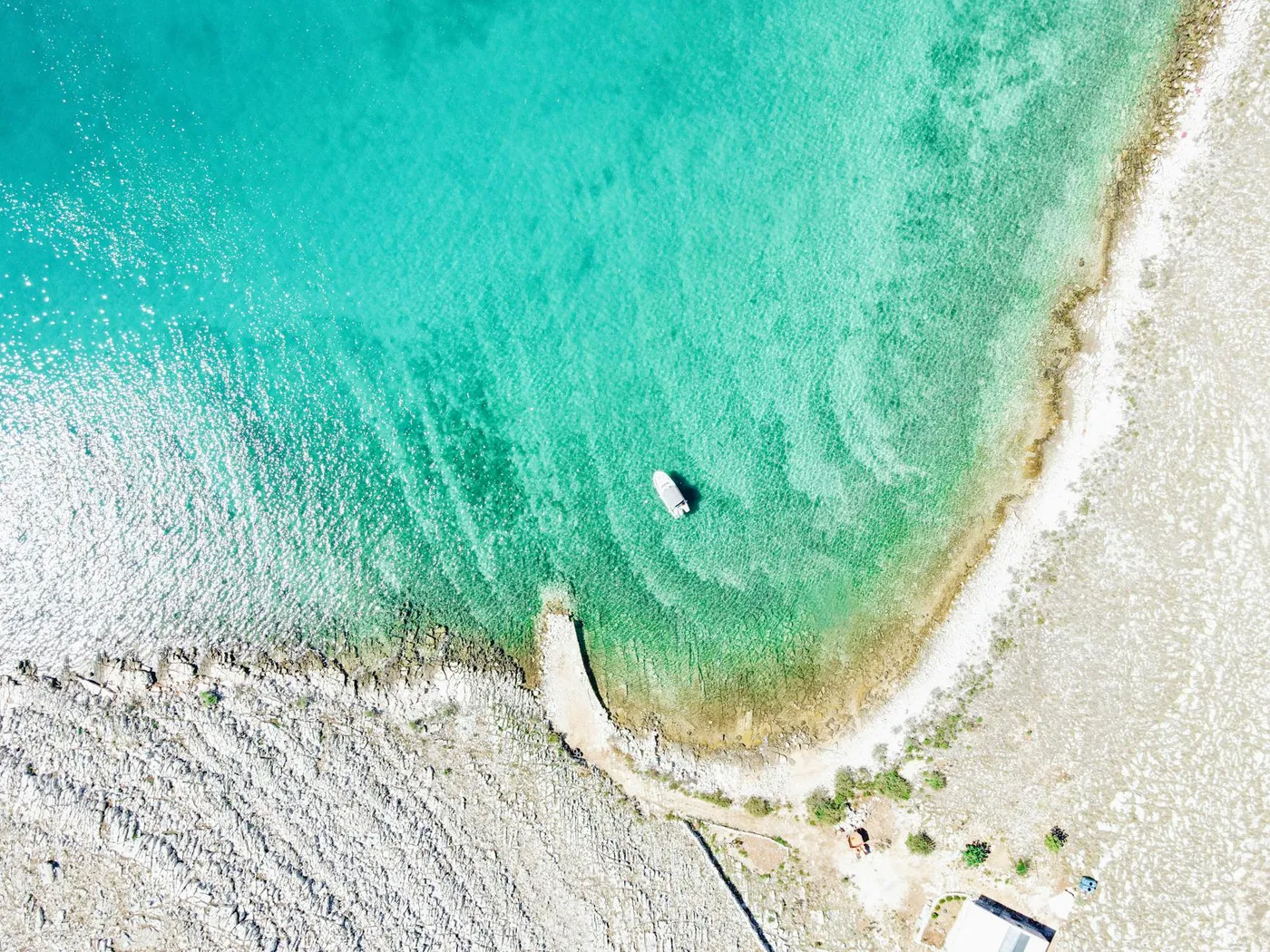
Velika Plaža, Europe's Longest Sand Beach Outside the Baltic
Twelve kilometres of flat, shallow sand on Montenegro's southern tip, the kitesurf capital of the Adriatic and the country's quietest stretch of coast.
Read guide →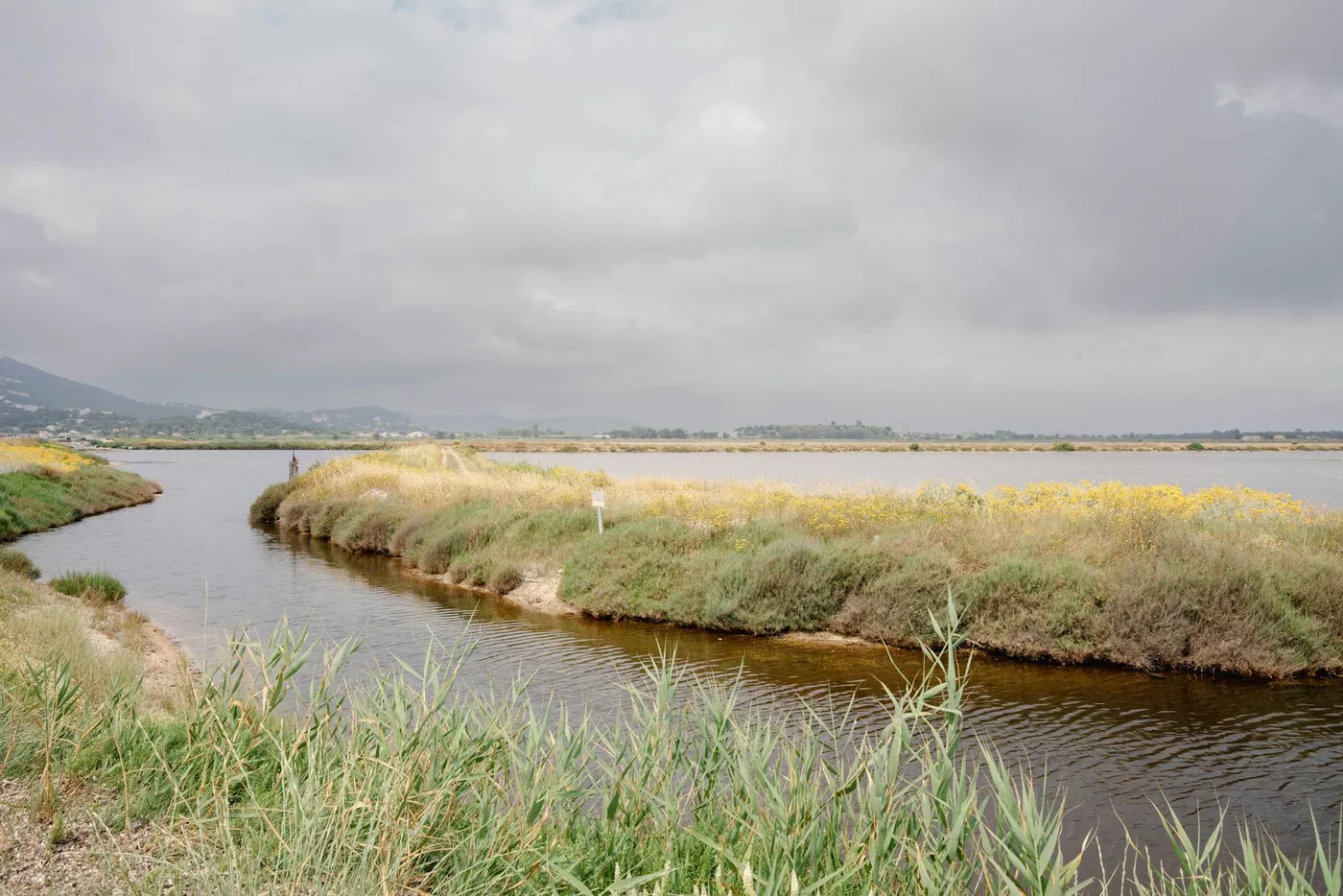
Ada Bojana, The Triangular River Island at the Albanian Border
A sand island where the Bojana river meets the sea. Fish restaurants on stilts over the water, wild horses on the sand, and a nudist tradition going back to the 1970s.
Read guide →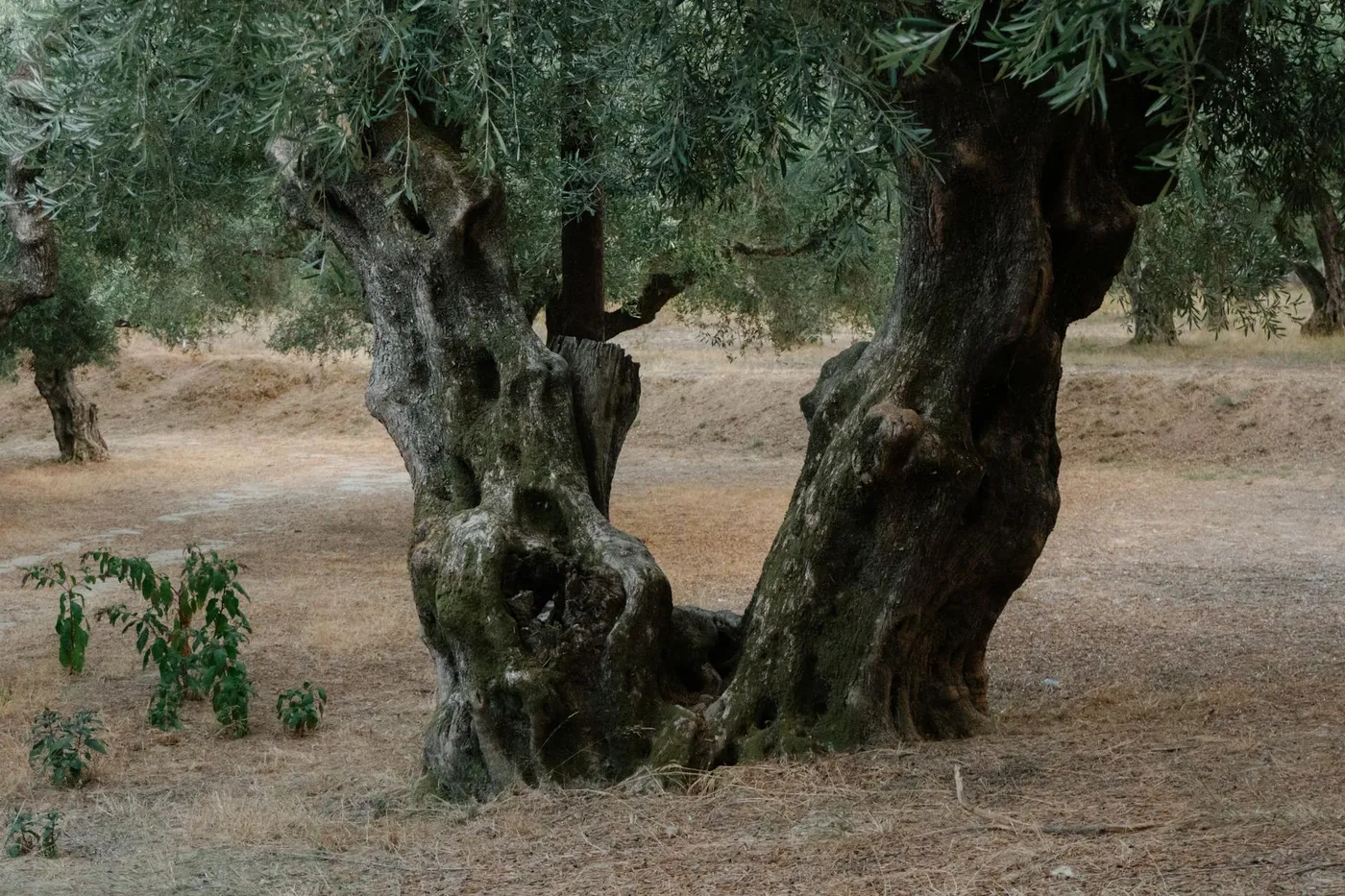
Valdanos Bay, Ancient Olive Groves Wrapping a Hidden Cove
A sheltered pebble bay four kilometres north of town, set inside one of the largest old-growth olive groves on the Adriatic.
Read guide →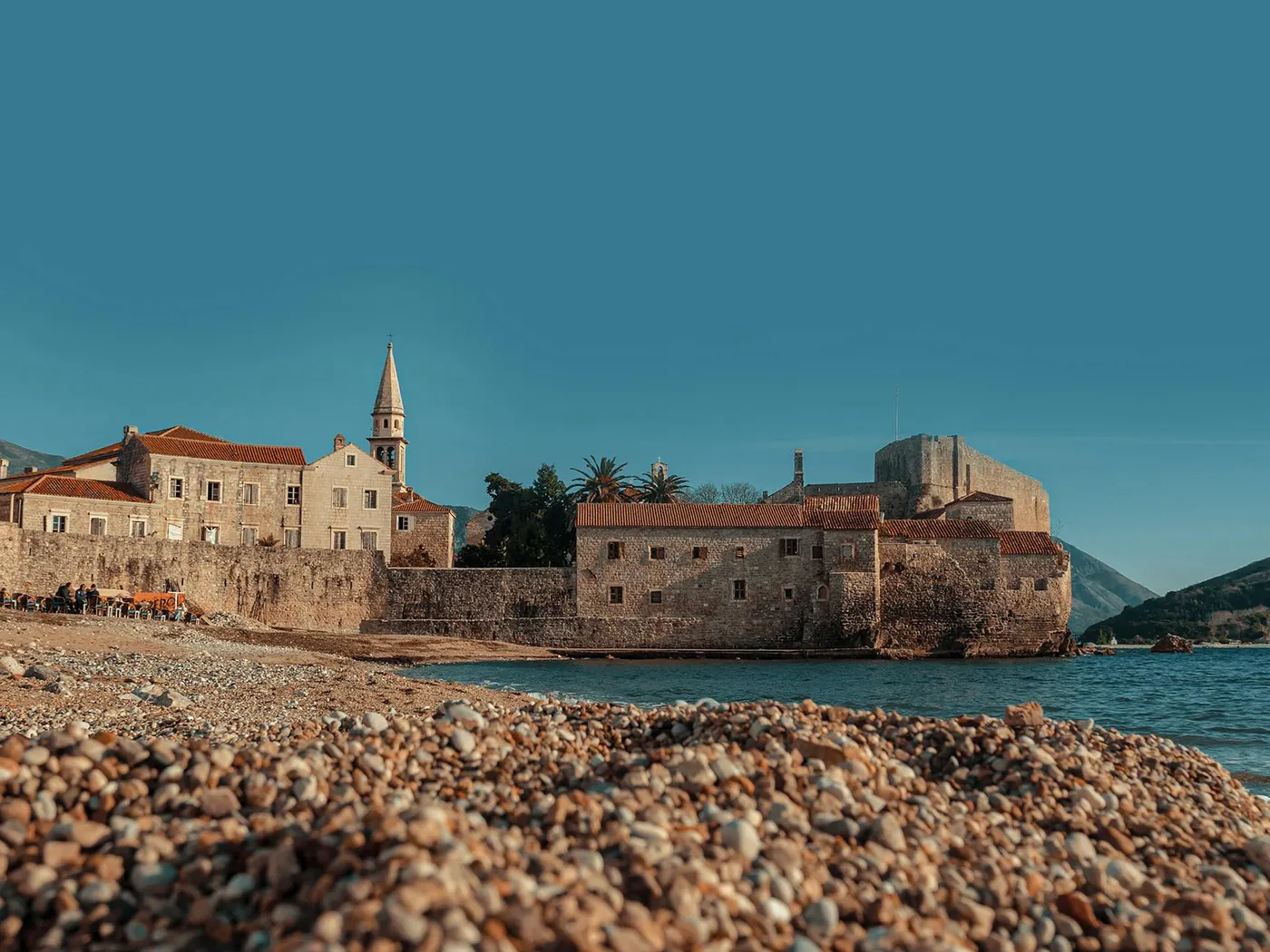
Mala Plaža, The In-Town Beach Beneath the Stari Grad Walls
The sandy crescent right beneath Ulcinj Old Town, swim before breakfast, café-lined boardwalk, sunset over the fortress.
Read guide →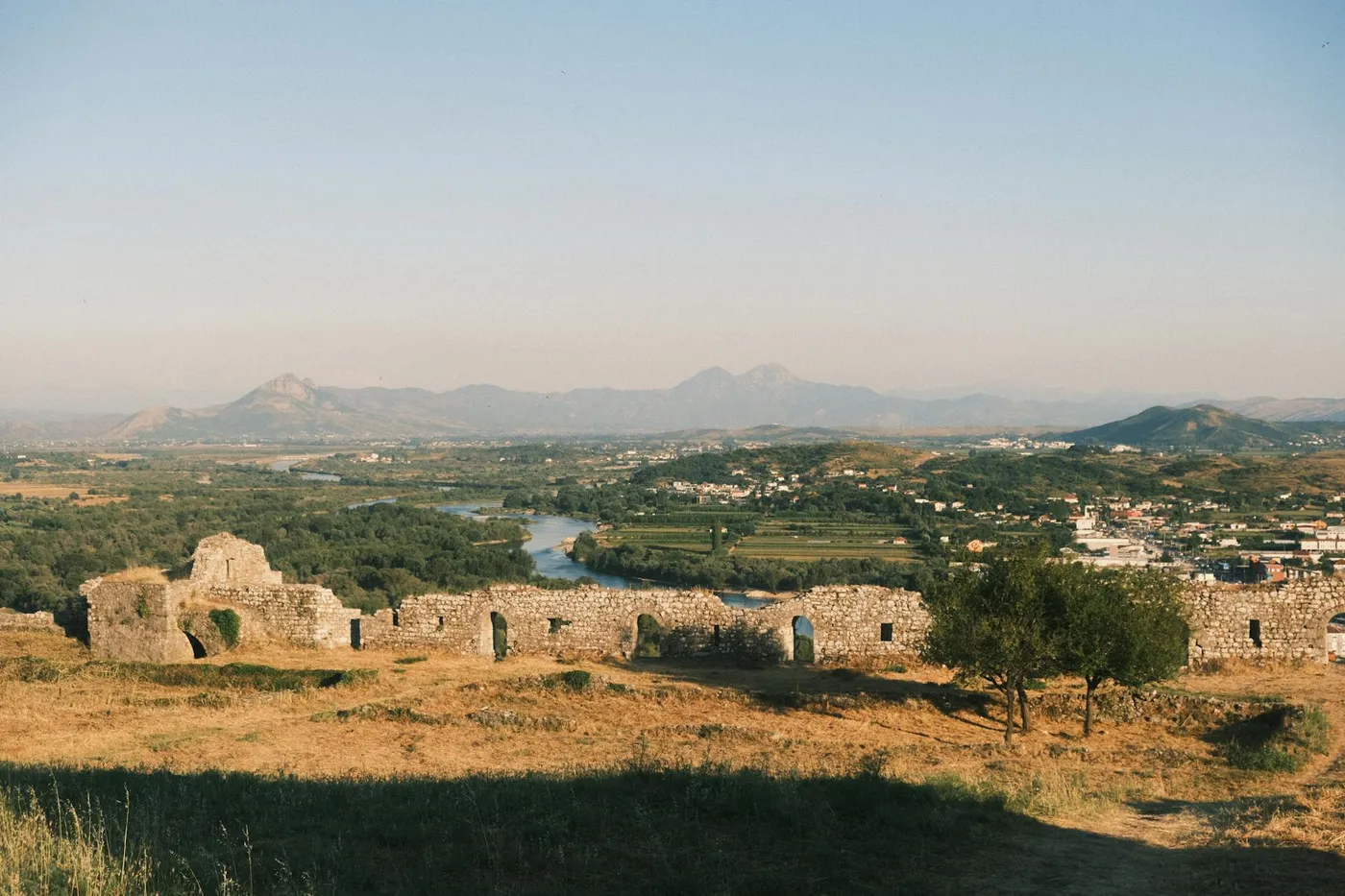
Shkodër Day Trip, Crossing to Albania from Ulcinj
Forty-five minutes to Albania's northern cultural capital via the Sukobin-Muriqan border. Rozafa Castle, Lake Shkodër, and the bazaar, back in Ulcinj for dinner.
Read guide →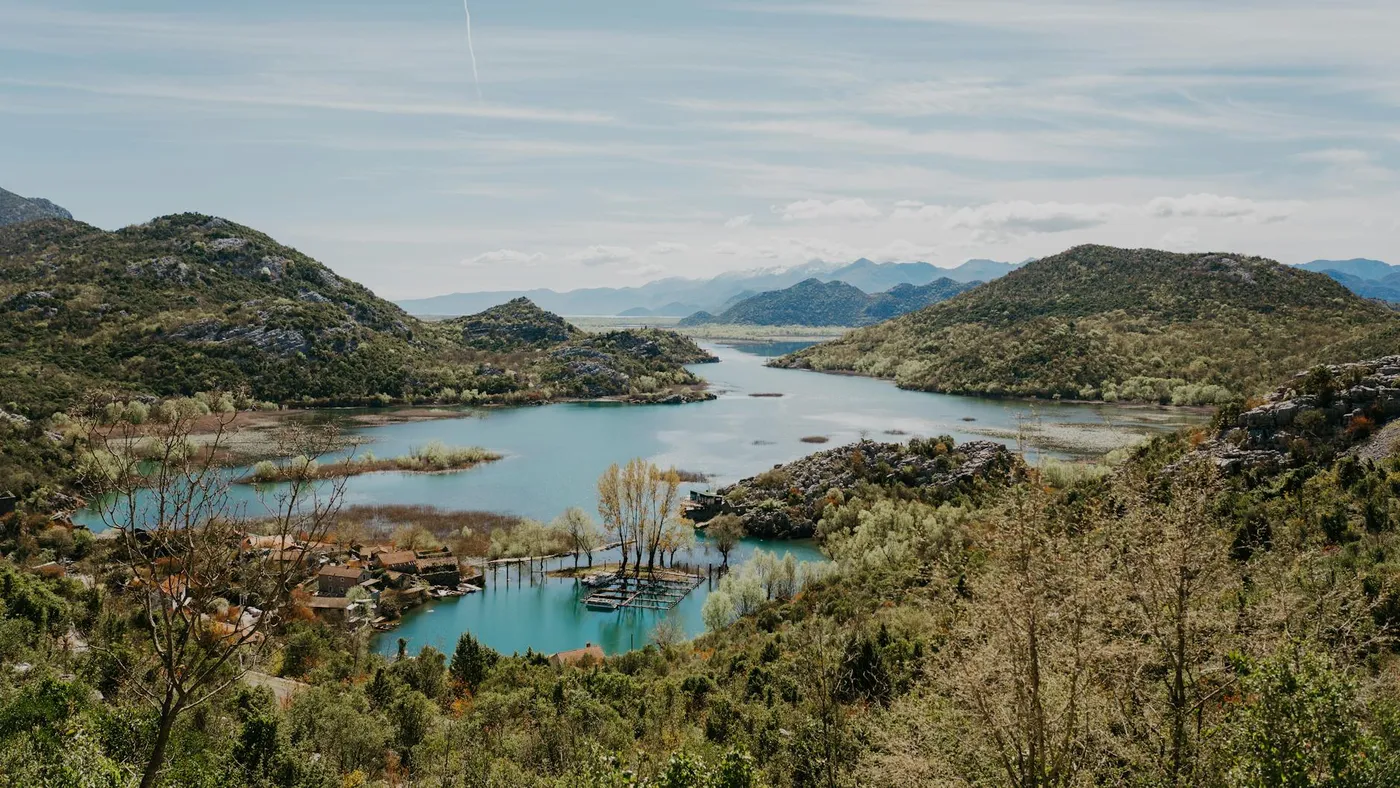
Lake Skadar from Ulcinj, The Pelican Lake Just Inland
Forty-five minutes inland to the Balkans' largest lake. Pelican colonies at Pančeva Oka, Crnojević wineries, and the ruined Žabljak fortress on the water.
Read guide →
Podgorica Airport to Ulcinj, The 70 km Drive and Route Choices
Podgorica Airport is the closer arrival gateway, 70 km, around an hour via the new highway to Sukobin. Plus the scenic Lake Skadar route for the return leg.
Read guide →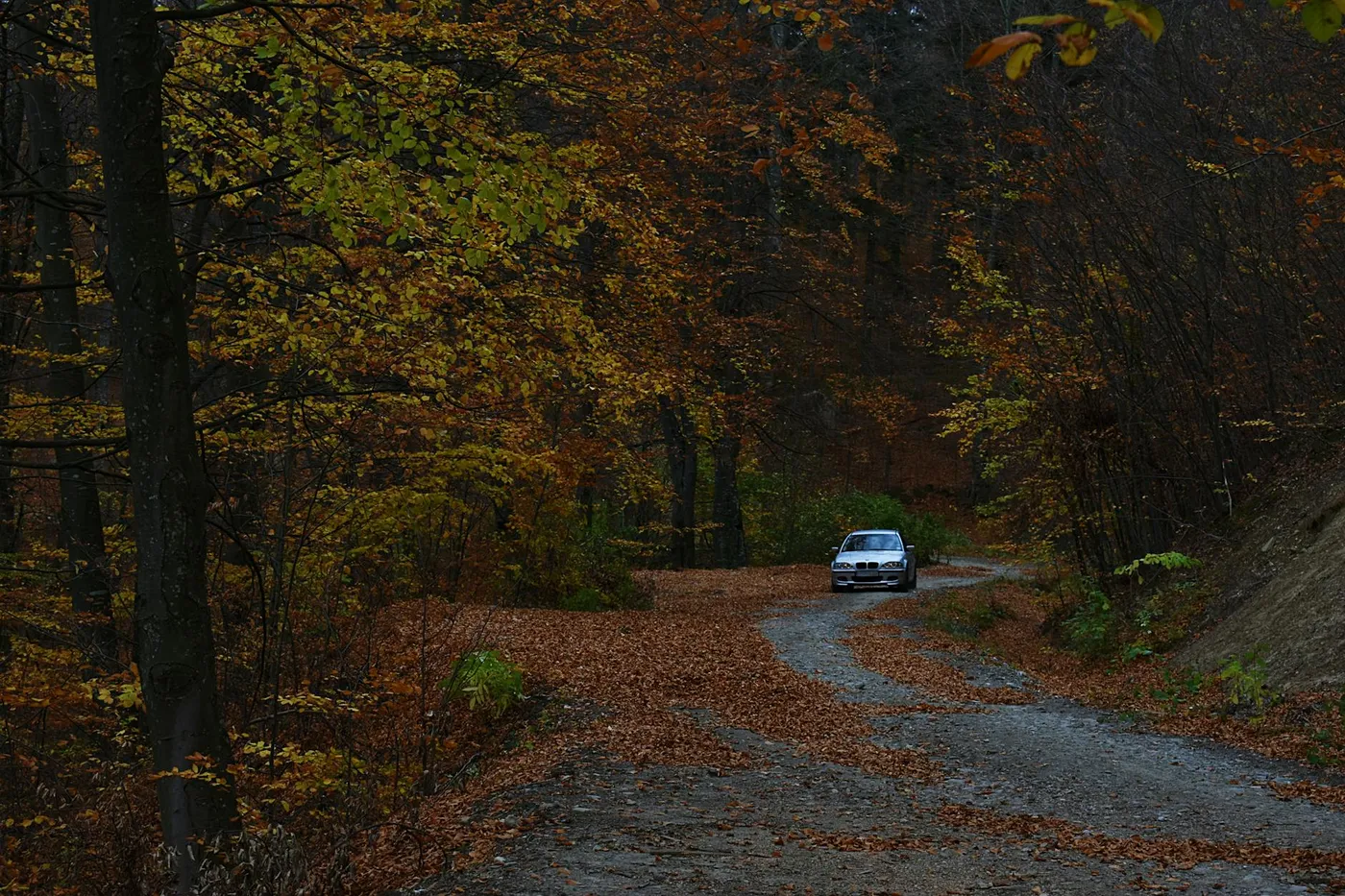
Ulcinj to Shkodër and Back, A Day Drive Across the Border
The practical details: border paperwork, Albanian car insurance, lek vs. euro, and the scenic River Bojana loop on the way back.
Read guide →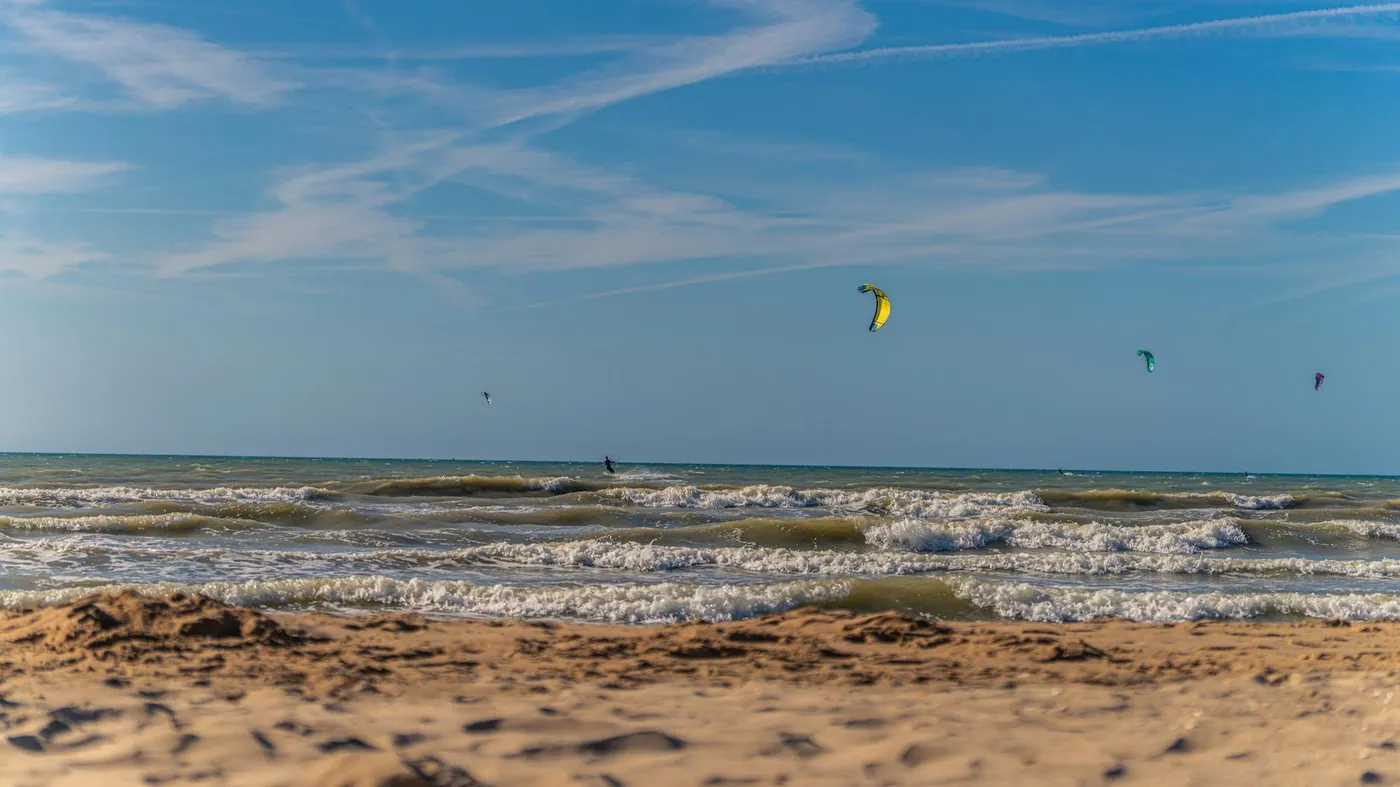
Kitesurfing on Long Beach, Why Velika Plaža Is the Adriatic Hub
Flat shallow water, steady cross-shore wind, two kitesurf schools at the Copacabana end. When to come, where to park, and how to rent.
Read guide →